Entry · Ref ITUKNG_W
Questions to ask before setting an agreed safe area for dementia wandering alerts
- Posted
- 2026-11-28
- Last amended
- 2026-11-28
- Account
- @everydayreassurancetoday
An agreed safe area is a practical way to give a person with dementia room to move while reducing the chance that they become lost or distressed. It might be a secure garden, a flat, a supported living unit, or a familiar part of a home. The right boundaries depend on the person, the setting and the type of alert system in use. Dementia wandering alerts can help when someone leaves an agreed space, but they work best as part of a wider plan built around the person's needs.
Before deciding where that area should be, it helps to ask clear questions. The aim is not to restrict movement for its own sake. Walking can be calming, purposeful and part of daily routine. A good plan makes safe movement easier, not harder, and keeps alerts useful rather than annoying.
What does the person actually need from the space?
Start with the person rather than the technology. Ask what places they return to again and again. Some people pace between rooms, some head for a gate, and others look for a kitchen, a garden bench or a familiar street corner. A safe area that ignores those patterns may lead to repeated alerts at the same boundary.
Consider whether the space supports ordinary activity. Is there somewhere to sit, walk, look outside, handle safe objects or take part in simple tasks? A large empty area may look secure on paper but still feel unsettling. A smaller area with familiar cues may work better. Think about light, noise, smells, seating and the route between places the person uses often.
It also helps to ask whether the area allows independence. If every movement requires help, alerts may become a backup for constant supervision rather than a useful layer of support. A sensible boundary should let the person do what they can do safely, with help close at hand when needed.

Which exits matter most?
Walk through the area and identify every way out. Include doors, gates, windows, garage access, stairwells, lift lobbies and shared corridors. In supported settings, include side doors used by staff or visitors. An alert plan that covers only the front door can miss the places where wandering actually happens.
Ask which exits are used by the person and which are simply possible. This distinction matters. A window that cannot be opened may not need the same attention as a gate the person has used before. At the same time, routines change. A door that has never been a problem may become one after a change in furniture, lighting or daily schedule.
Physical layout can reduce risk without turning a home into a locked facility. Door cues, curtains, colour contrast, signs, barriers and changes in flooring can all affect whether a person notices an exit. Any change should be checked for safety and dignity. Avoid anything that traps, trips or confuses. If a door or gate needs a specialist lock or alteration, that is a job for a qualified professional rather than a quick fix.
What should happen when an alert is triggered?
An alert is only useful if someone knows what to do next. Ask who receives it, who responds, and what information is available at the first moment. A location check can point to where the person was detected, but it may not explain why they left or where they were going. The response plan should be calm, simple and agreed in advance.
Think about time of day. Night alerts may need a different response from afternoon alerts. A person may leave a bedroom during the night looking for a bathroom, familiar person or earlier home. If the safe area includes sleeping and bathing spaces, those routes need particular attention. Lighting between bed, bathroom and exit points can make a real difference, provided it does not create glare or disturb sleep.
Ask how repeated alerts will be handled. If a person reaches the same boundary many times a day, the issue may be unmet need rather than a technology problem. They may be bored, anxious, hungry, in pain, too warm, too cold or responding to noise. The useful question is not only "How do we stop the alert?" but "What was the person trying to do?"
What location checks can realistically provide?
GPS location checks can support dementia wandering alerts by helping carers find a person who has left an agreed area. They are not the same as continuous observation, and they may be affected by surroundings, battery state and whether the wearable is being carried. Ask what the device is designed to report and how location information is accessed. Understanding the limits prevents false confidence.
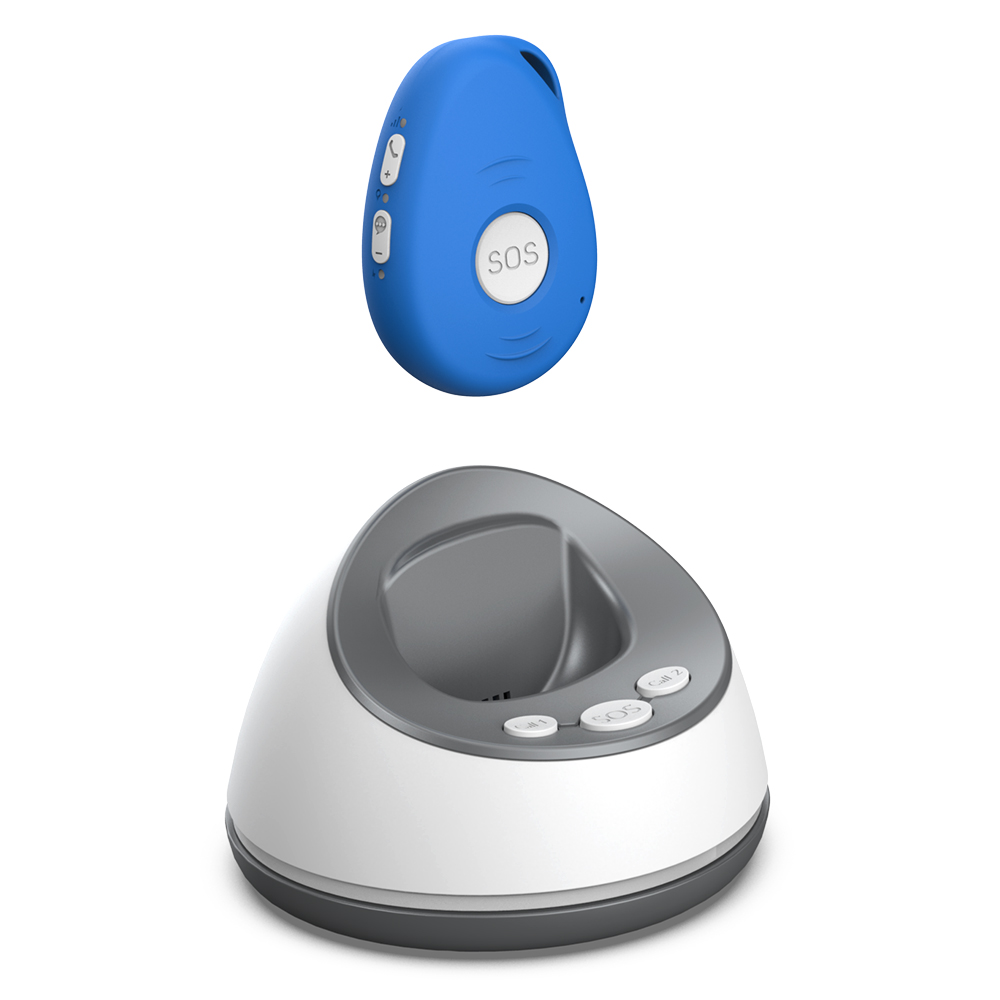
Where a wearable alarm includes SOS alerts, fall detection, GPS location checks and two-way calling, those functions can serve different needs. An SOS alert may suit a person who can press for help. Fall detection may add a layer when a fall leaves someone unable to call. Two-way calling can help a carer reassure the person and gather clues about their direction. Not every person will use each function in the same way, so the plan should match ability and routine.

Familyr Medical Alarms provides wearable medical alarms in New Zealand with those features and without a monthly monitoring fee. That may be relevant when comparing options for dementia wandering alerts, especially where location checks and two-way calling are part of the planned response. The broader question remains whether the person will wear the device comfortably and whether carers understand the alerts it can send.
Comfort matters more than it may first appear. A device that is removed each night, left on a bench or kept in a drawer cannot support a safe area plan. Ask whether the person can tolerate wearing it, whether clothing makes the wearable easy to keep on, and whether the routine for charging or carrying it is simple enough to follow. If the person resists wearables, a different approach may be needed, and that should be faced early rather than after alerts fail.
Who needs to agree and who needs to know?
A safe area works best when the people around the person share the same understanding. Family members, carers, neighbours, support workers and health professionals may each have a role. Ask who agrees the boundary, who changes it, and who is told when it changes. Confusion between carers can lead to missed alerts or conflicting responses.
Write the plan in plain language. Include the area covered, the exits of concern, what an alert means, who responds and what to do if the person is found outside. Keep it where relevant people can find it, and review it after any change in health, mobility, living arrangements or routine. Clear notes are more useful than assumptions held in one person's head.
It is also worth asking how the person is involved. Where possible, explain the plan in a way they can understand. Familiar wording, visual cues and a calm tone can help. A safe area should feel like a place they know, not a rule imposed without explanation. Consent, privacy and dignity deserve attention alongside practical safety.
Which small details can make the boundary clearer?
- Familiar cues: Photos, signs, textures or objects can mark restful places and make the area feel known.
- Door and gate awareness: Contrast, curtains or simple coverings can make exits less inviting when leaving would be unsafe.
- Comfort and lighting: Seating, warmth, shade and even lighting support calm movement and reduce trips.
- Daily rhythm: Meals, rest, activity and quiet time can reduce restlessness that leads to leaving.
- Wearable routine: A consistent place and time for the device helps make alerts more dependable.
These details are not a substitute for proper assessment. They are prompts for practical discussion. A change that helps one person may unsettle another, especially if it alters the look or feel of a familiar room. Make changes one at a time where possible, then watch how the person responds.
How will the plan be reviewed?
Needs can shift quickly. A safer area that works during one stage may become too narrow, too broad or too confusing later. Ask what would trigger a review. A fall, a new medication, a move to a different room, a change in walking ability or a repeated alert pattern may all be reasons to pause and rethink the arrangement.
Reviews should look at both safety and quality of life. If alerts are frequent but the person is simply walking a familiar route within a supported environment, the boundary may need adjusting. If the person seems distressed near a particular exit, the cause may lie in noise, light, memory or anxiety rather than the door itself. Dementia wandering alerts are most helpful when the information they provide leads to thoughtful changes.
Before settling on an agreed safe area, check that the technology, the physical space and the human response fit together. Consider what familyr.co.nz says about wearable medical alarms in New Zealand, including SOS alerts, fall detection, GPS location checks and two-way calling without a monthly monitoring fee, as one source of context for the technology side. Then ask the harder everyday questions: Will the person wear it? Will carers respond consistently? Does the space support calm movement? Can the plan change when needs change?
The best arrangement is rarely defined by a boundary alone. It comes from knowing the person's habits, reducing avoidable confusion, setting a clear response to alerts and keeping the plan under review. When those pieces align, dementia wandering alerts become one part of a steady, respectful approach to safety rather than a source of constant interruption.